A different kind of first website
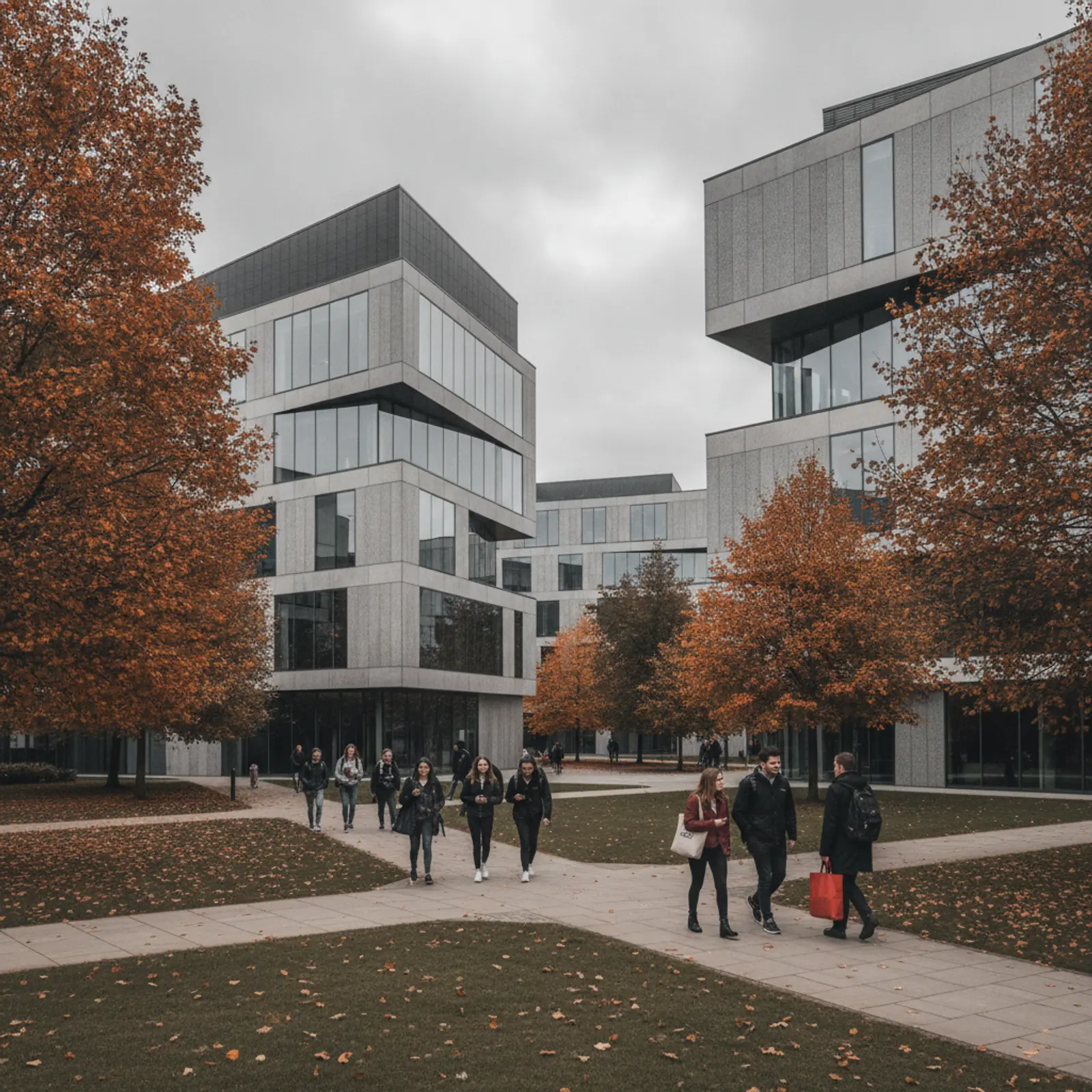
Coventry and its edge are home to two large universities. The University of Warwick, which despite its name sits on the southern edge of Coventry, includes WMG, one of the best-known applied engineering research groups in the country. Coventry University has its own technology park and a long record of industry partnerships, particularly in automotive design.
Both produce spin-out companies, and both are surrounded by start-ups founded by graduates, researchers and engineers who left industry to build something of their own. These firms have a very particular set of website needs, and they are not the same as a café or a plumber.
This post covers what we have found matters most.
The short version
Launch small and credible rather than large and late. Explain the use of the technology in one plain sentence, show the stage you are at and the team, and pick a platform you can update yourselves. Portals and demos can follow once the first version is live.
Who is actually reading it
An early-stage research company usually has four audiences: investors and grant bodies doing due diligence, potential industrial partners, prospective hires, and journalists or event organisers. Customers in the usual sense may still be a year or two away.
Each of those readers is checking one thing: is this a serious company? A clean, well-written site with a clear explanation of the technology, the team and the stage of development answers that question. A holding page with a logo and an email address raises doubts.
Explain the technology in plain English
Founders often find this the hardest part. The research behind the company is complex, and there is a natural tendency to either over-simplify it into marketing language or to paste in the abstract of a paper.
The best approach is layered. Open with one or two sentences any intelligent non-specialist can follow: what problem you solve and why it matters. Follow with a fuller explanation for technical readers, and link to published papers, patents or conference talks for those who want the detail.
We usually draft this by interviewing a founder for half an hour and writing it up, then going back and forth until it is accurate and readable.
Be careful with claims
Research companies operate in a world where claims are checked. If you say your battery chemistry delivers a certain improvement, someone will ask under what conditions and compared with what. Keep performance claims tied to published or verifiable results, and be clear about what is lab-scale and what is proven at production scale.
The same applies to partnerships. Only name a partner, funder or university relationship if you have permission and it is current.
The team page carries weight
Investors back people. Short, factual biographies with relevant experience, links to professional profiles and good photographs make a real difference. Include advisers if they are genuinely involved.
Recruitment from day one
Hiring is often the biggest constraint for a young technical company, and talented engineers in the Coventry and Warwick area have plenty of options, from JLR and the large research centres to other start-ups. A careers page that describes the work, the culture and the stage of the company helps you compete.
Even if you have no open roles, a page that invites speculative applications from the right people is worth having.
Build for change
Spin-outs change quickly. The product name may change, the team may double, a pivot may reshape the technology page. The site needs a content system the team can update themselves, without waiting for a developer.
We keep these sites small at launch, often five to eight pages, and build them so new sections can be added without a redesign.
The pages most spin-outs need at launch
Our usual starting structure is short. A home page that states the problem and the solution in a sentence or two. A technology page with the layered explanation. A team page. A news page for announcements, funding and awards that genuinely exist. A careers page. And a contact page that routes investors, partners and candidates to the right person.
Some companies add an applications page describing the sectors they hope to serve, such as automotive, grid storage or aerospace. That works well as long as the language is careful about what is a target market and what is a current customer.
Domains, email and the boring essentials
Register the domain early, ideally before any public mention of the company name, and set up email on it rather than relying on personal or university addresses. Make sure at least two founders have access to the domain registrar and hosting. We have seen young companies lose weeks because the only login belonged to a co-founder who had moved on.
Add a privacy notice and cookie handling that matches what the site actually does. Investors and corporate partners notice these things during due diligence.
A launch checklist for a spin-out website
Most spin-outs need a credible site in weeks, not months, often ahead of a grant deadline, investor meeting or trade show. This list covers what needs to be there on day one. Everything else can wait for a second phase.
- A one-sentence explanation of what the technology does, in words a non-specialist investor would understand.
- The problem it solves and who has that problem.
- The stage you are at: lab demonstration, prototype, pilot or production.
- The team, with roles and relevant background, plus the university or research connection you are allowed to name.
- Any published papers, patents or grants you can link to.
- A clear contact route for partners, investors and recruits, separated if you can.
- A news page that is easy to update when you hit milestones.
- A privacy notice and the basic legal pages.
Choosing the platform
For most spin-outs a fast static site or a light WordPress install is enough. Avoid anything that needs a developer for every text change; your news and team pages will change often. If you later need a customer portal, data dashboard or demo, that is a separate web development project and should not hold up the first launch. A simple brand identity done at the same time saves redoing slides and posters later. Our page on Warwick and Leamington Spa covers the wider tech and research scene around the university.
Common mistakes
Spin-out sites often lead with the science and bury the application. Investors and partners need to understand the use first, then the evidence. Another common mistake is listing every team member's full academic record on the home page; a short summary with links to fuller profiles works better.
Timing
The most common request we get from founders is for a site ready before a funding announcement, a trade show or a grant deadline. That is achievable in a few weeks if the content is ready. The bottleneck is almost always the writing, not the build, so start drafting the technology explanation and the team biographies as early as you can.